
Mobile Health Unit (MHU) Assessment – Amravati District, Maharashtra
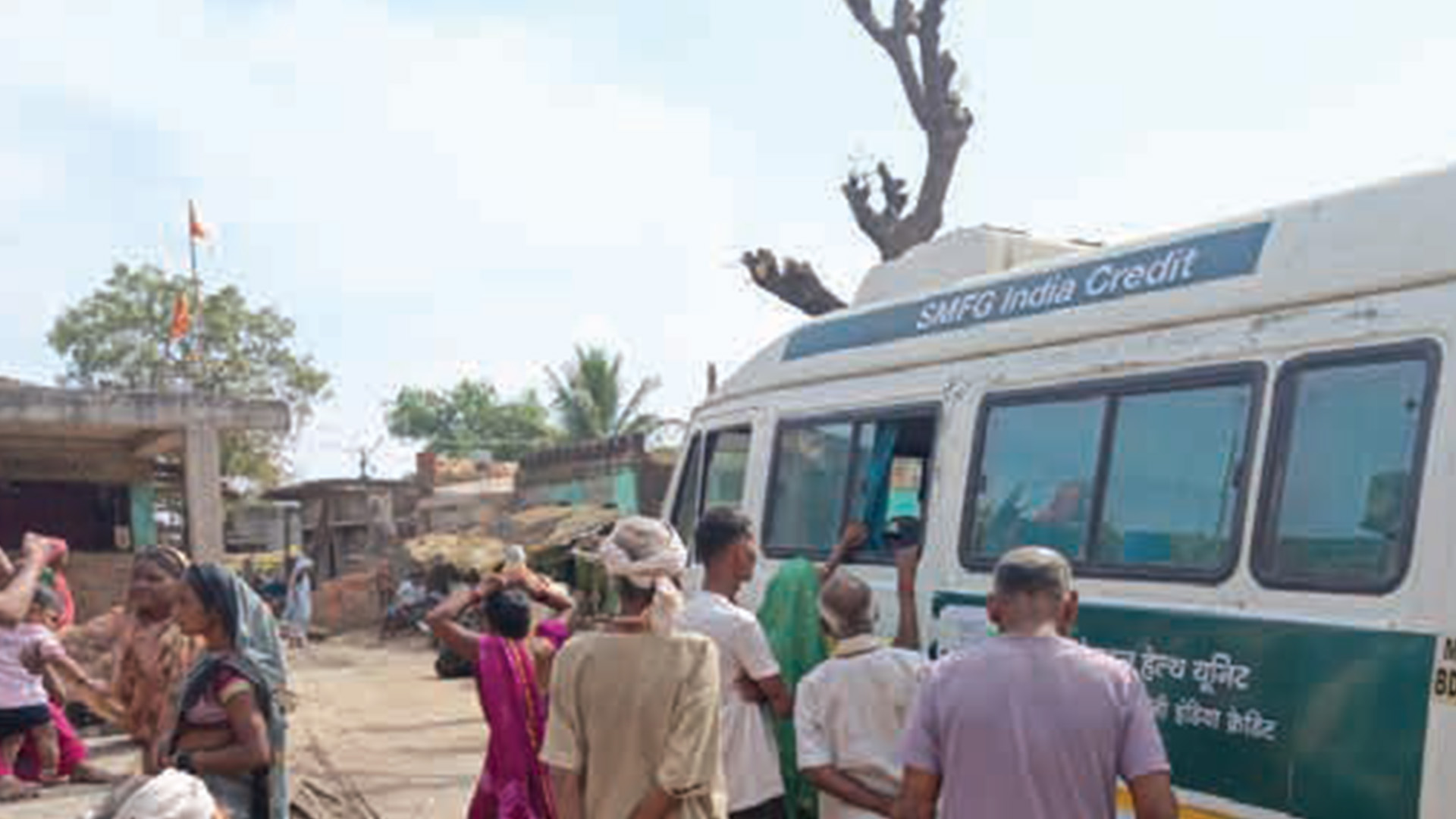
A rapid assessment conducted to evaluate the functioning, accessibility, and healthcare service delivery effectiveness of the Mobile Health Unit (MHU) operating in Manjarkapdi village of Amravati district, Maharashtra. The assessment examined healthcare infrastructure, service frequency, staff preparedness, beneficiary satisfaction, medical consultations, and operational efficiency in delivering primary healthcare services to underserved rural communities.
Objective
To assess the functioning and operational effectiveness of the Mobile Health Unit (MHU) in Amravati district of Maharashtra through a rapid assessment approach. The assessment focused on evaluating healthcare accessibility, infrastructure readiness, service frequency, staffing adequacy, medicine availability, beneficiary satisfaction, and the overall quality of healthcare services delivered through the Mobile Health Unit.
Methodology
Data Collection Methods
- Beneficiary interviews
- Interviews with MHU staff
- Chief Medical Officer consultation
- Direct field observation
- Infrastructure and equipment checklist verification
- Review of patient records and operational documentation
Assessment Areas
- Healthcare accessibility and service frequency
- Infrastructure and medical equipment adequacy
- Staff preparedness and patient interaction
- Medicine availability and consultation quality
- Beneficiary satisfaction and service utilization
- Referral systems and healthcare awareness sessions
- Documentation and biomedical waste management
Key Outcomes
- The Mobile Health Unit operated approximately 20–24 days per month, ensuring consistent access to essential healthcare services for underserved rural communities. The MHU visited the community twice every month to provide regular medical support.
- On the day of assessment, a total of 240 beneficiaries received healthcare services, including 89 male and 151 female beneficiaries, indicating strong participation among women.
- Beneficiaries reported high levels of satisfaction with the quality of healthcare services, staff behavior, medicine availability, and the overall accessibility of the MHU services. Community members expressed trust and confidence in the MHU team.
- The healthcare staff demonstrated courteous behaviour and sensitivity toward elderly individuals, women, and persons with disabilities. Doctors provided sufficient consultation time and personalised medical guidance to beneficiaries.
- The MHU delivered preventive healthcare awareness sessions on:
- Nutrition and balanced diet
- Importance of breast feeding
- Menstrual hygiene management
- Referral support was also provided for patients requiring specialized care through nearby PHCs and CHCs.
- Proper record maintenance and strong consistency were observed between reported data and field-level operations, reflecting organized documentation systems and efficient service delivery.
Deliverables
- Mobile Health Unit Assessment Report
- Healthcare Service Delivery Evaluation
- Infrastructure & Equipment Assessment
- Beneficiary Satisfaction Analysis
- Operational Efficiency Review
- Public Health Recommendations Framework
- Documentation & Referral System Assessment
Project Information
Location
Manjarkapdi Village, Amravati District, Maharashtra
Client
SevaMob
Project Duration
December 2024
Service Category
Impact Assessment and Evaluation
Service Sub-Category
Monitoring and Evaluation
Sector
Public Health & Community Healthcare
Beneficiaries
240 Beneficiaries (Assessment Day)
Download Report
View or download the detailed report
Looking to assess healthcare or community outreach programs?
We support organisations in evaluating healthcare delivery systems, public health initiatives, community interventions, and social impact programs through evidence-based assessments and field evaluations.